
The Ultimate Guide to Managing Anxiety and Stress

Understanding Anxiety and Stress
Anxiety and stress are two of the most common mental health struggles in today's fast-paced world. Both can be debilitating, but understanding them is the first step in managing them. Anxiety is typically characterized by feelings of worry or fear that can be overwhelming. Stress, on the other hand, is often the result of external pressures and demands that may feel impossible to cope with.
What Causes Anxiety and Stress?
The causes of anxiety and stress are numerous and can vary from person to person. Factors such as work pressure, family responsibilities, health issues, or even societal expectations can contribute to these feelings. Sometimes, anxiety and stress can be triggered by specific events, while other times, they can build up over time.
Effects of Anxiety and Stress on Mental Health
Both anxiety and stress can have a significant impact on mental health. Prolonged periods of stress or anxiety can lead to more serious conditions such as depression, panic attacks, or other anxiety disorders. It's important to recognize the signs early and seek help before they escalate.

Effective Techniques for Managing Anxiety and Stress
Managing anxiety and stress effectively involves a combination of strategies. Some methods may be more effective for you than others, so it’s important to experiment with different techniques to see what works best.
Mindfulness and Meditation
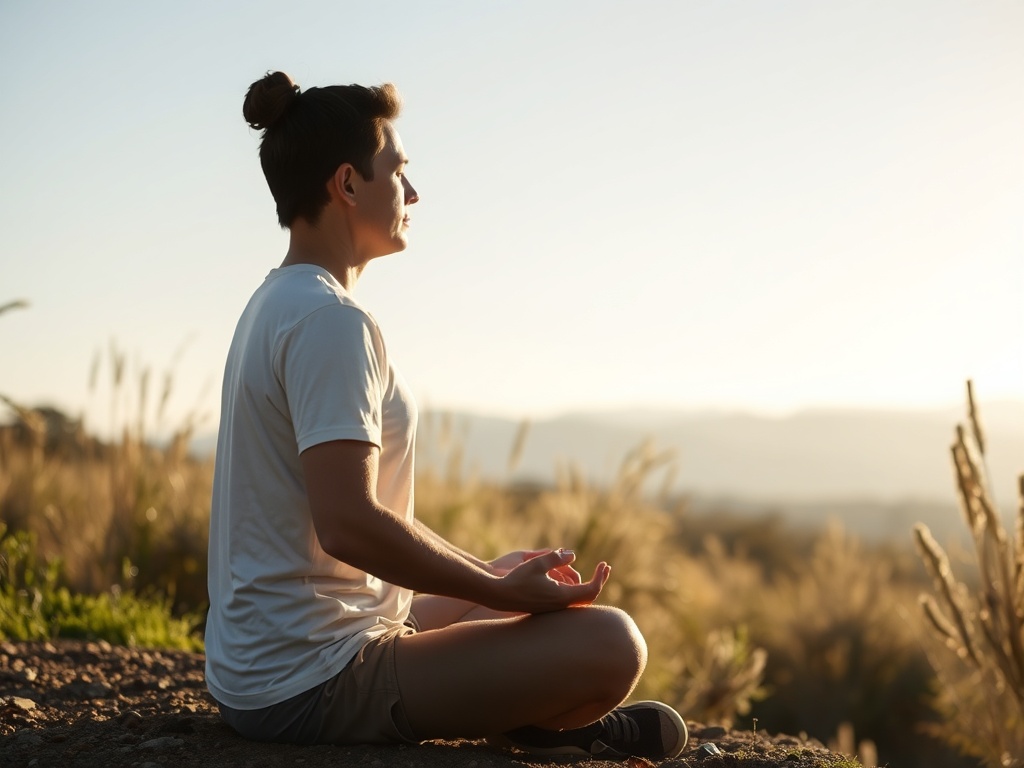
Mindfulness and meditation are powerful tools for managing stress. Practicing mindfulness helps you become more aware of the present moment and reduces the tendency to worry about the future. Meditation can help calm the mind and create a sense of inner peace. Both can be done at home or even during short breaks throughout the day.
Breathing Exercises
Breathing exercises are another excellent way to manage anxiety and stress. Deep breathing helps slow down your heart rate and relax your body, allowing you to reset and focus. Simple exercises like the 4-7-8 breathing technique can be done anywhere and anytime.
Building Healthy Habits
Building healthy habits is key to long-term mental health. Engaging in physical activity, eating a balanced diet, and getting enough sleep are essential for managing anxiety and stress. Regular exercise, even something as simple as walking, can significantly reduce feelings of anxiety and improve your overall mood.
Self-Care Routines
Having a self-care routine that includes time for relaxation and activities you enjoy can help recharge your mental and emotional batteries. Whether it's reading a book, taking a warm bath, or spending time with loved ones, these small moments can make a big difference in managing stress.
Seeking Professional Help
If anxiety and stress become overwhelming, seeking professional help is important. A therapist or counselor can provide the tools and support needed to cope with difficult emotions. Therapy can help you uncover the root causes of your stress and anxiety and guide you through effective strategies for managing them.

Practical Tips for Day-to-Day Management
In addition to the long-term strategies mentioned above, here are a few quick tips for managing anxiety and stress on a daily basis:
- Break tasks into smaller, more manageable steps to avoid feeling overwhelmed.
- Set realistic goals and priorities for your day.
- Take regular breaks to avoid burnout.
- Limit your exposure to stressful news or social media.
- Practice gratitude by keeping a journal of things you are thankful for.
Conclusion
Anxiety and stress are part of life, but with the right tools and strategies, they don't have to control you. By practicing mindfulness, building healthy habits, and seeking support when needed, you can manage these challenges and live a more balanced and peaceful life.